Restoring Your Smile and Health After a Major Personal Injury

Recovering from a major accident is a complex journey extending far beyond the emergency room. While life-saving measures are the priority, long-term restoration of your physical health and facial symmetry requires a meticulous, multi-disciplinary approach. A personal injury can leave lasting scars, affecting your ability to eat, speak, and interact with confidence.
This guide explores the intersection of medical science, wellness, and legal strategy. Restoring your smile is a functional necessity impacting your nutrition and psychological well-being. By coordinating care between reconstructive experts and therapeutic professionals, you can navigate the path from trauma to health. We will delve into the steps required to rebuild your life, making certain every aspect of your recovery is addressed with precision to help you regain your quality of life.
Assessing the Initial Impact and Legal Landscape

The moments following a serious accident are often a blur of adrenaline and confusion. Once you are medically stable, the first step in a long-term recovery plan is understanding the full scope of your injuries and the resources available to pay for specialized care. Many victims overlook the importance of early legal intervention, assuming insurance will naturally cover all future reconstructive needs. However, complex facial restoration can cost tens of thousands of dollars over several years, requiring a strategic financial approach to verify all costs are covered.
- Request full copies of all imaging, including CT scans and X-rays, from the emergency department.
- Document all symptoms, including jaw clicking, vision blurriness, or neck stiffness.
- Maintain a detailed log of all missed work and travel expenses related to medical appointments.
Engaging an injury lawyer early in the process is essential for protecting your rights. This professional helps gather evidence and calculate the true cost of lifelong maintenance, providing a guarantee that the settlement covers high-end restorative procedures rather than just the bare minimum. They act as a shield against insurance tactics, allowing you to focus entirely on your physical healing.
Addressing Structural Misalignments and Cervical Health
Impact trauma frequently causes whiplash, which can shift the delicate vertebrae in the neck and lead to debilitating headaches. When the spine is out of alignment, the muscles in the face and jaw often overcompensate, leading to secondary pain that can impede your dental recovery. A holistic approach makes certain that the structural foundation of your body is sound before you begin permanent cosmetic work. Misalignment can also cause neurological issues that affect your balance and overall energy levels during the long healing process.
- Schedule a full-body scan to identify subtle shifts in the pelvis or spine.
- Incorporate gentle stretching to prevent scar tissue from tightening around the neck.
- Utilize manual adjustments to relieve pressure on the nervous system.
Many patients find relief by visiting chiropractors who specialize in trauma recovery. These specialists work to restore mobility to the joints, allowing the body to heal in a balanced state and reducing the tension that often exacerbates jaw-related pain. By stabilizing the cervical spine, these professionals create a steady platform for the localized dental work that follows, which helps verify that your results are not compromised by poor posture.
Finding the Right Specialized Reconstructive Expert
Choosing the right clinician is the most critical decision you will make regarding your facial aesthetics. A standard check-up is insufficient when dealing with bone loss, nerve damage, or shattered enamel. You need a practitioner who views the mouth as an integrated system, balancing bite function with a natural, pleasing appearance. This stage of the process requires patience and several consultations to build a roadmap for your new smile that takes into account both current damage and future wear.
- Look for a provider with a portfolio of complex trauma cases.
- Ask about the use of 3D digital imaging to preview final results.
- Check that the office coordinates with your other medical providers.
A skilled dentist will evaluate your gum health and bone density to determine if you are a candidate for permanent restorations. They play the role of an architect, designing a plan that makes certain your reconstructed teeth are both durable and indistinguishable from your original ones. This level of care prevents the need for future revisions and verifies that your restoration can withstand the daily forces of chewing and speaking.
Permanent Solutions for Tooth Loss and Bone Support
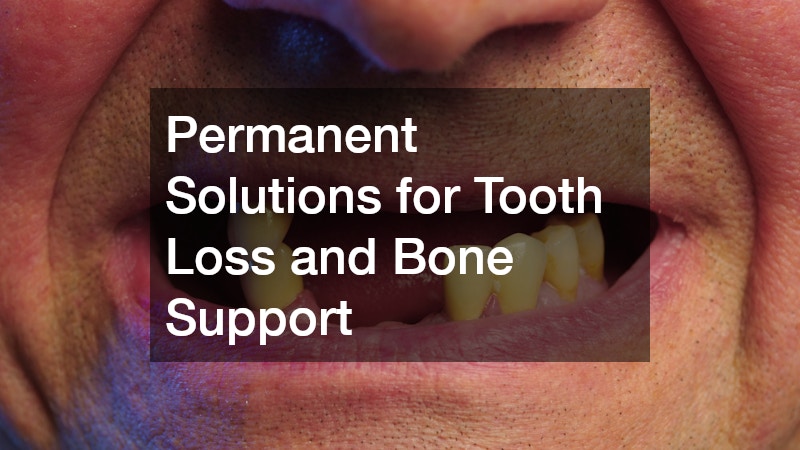
When teeth are lost due to impact, the underlying jawbone begins to deteriorate almost immediately. This can lead to a sunken facial appearance and the shifting of remaining teeth. Modern technology allows for the replacement of missing roots with titanium posts that fuse to the bone, providing a stable and lifelong foundation for crowns. This procedure is often the cornerstone of total facial reconstruction, providing both structural and cosmetic benefits to the patient as they heal.
- Inquire about the different types of biocompatible materials used for the replacement posts.
- Understand the timeline for healing, as the bone needs time to anchor the hardware.
- Maintain strict oral hygiene to prevent inflammation around the surgical sites.
By choosing dental implants, you are opting for the most reliable way to maintain your facial structure. Unlike traditional bridges, these solutions do not require altering adjacent healthy teeth, making them a conservative yet highly effective choice for long-term health. They act as artificial roots, stimulating the bone and preventing the premature aging that often accompanies significant tooth loss in trauma victims.
Correcting Bite Issues Caused by Impact Displacement
Even if your teeth remain intact, the force of a collision can knock your jaw out of alignment. This misalignment can cause significant wear on your enamel and lead to chronic pain in the jaw joints. Moving the teeth back into their proper positions is often necessary to make certain that your bite is functional and that your face looks symmetrical. This phase of recovery often bridges the gap between surgical healing and final cosmetic perfection.
- Use clear aligners to move teeth gradually without the discomfort of wires.
- Wear a night guard if you develop a habit of grinding your teeth.
- Attend regular check-ins to monitor the movement of your roots.
Many modern recovery plans include the use of invisalign to subtly shift teeth into a more healthy and attractive position. This approach allows you to undergo orthodontic treatment while still being able to maintain optimal hygiene, which is vital during a complicated medical recovery. Proper alignment not only improves your appearance but also protects your new dental work from the uneven forces of a crooked bite.
Managing Chronic Pain and Psychological Trauma
The mental and emotional impact of an injury is often just as significant as the physical damage. Chronic pain can lead to a cycle of anxiety and depression that hinders your body’s ability to repair itself. Traditional pain medications are not always effective for nerve-related trauma, leading many to seek innovative clinical treatments that address the brain’s perception of pain. Holistic mental health care is a necessity, not an elective part of the recovery process.
- Explore mindfulness and cognitive behavioral therapy to manage the emotional weight of a life change.
- Look into clinical infusions that can reset pain receptors and provide relief.
- Keep a mood journal to track how your physical recovery correlates with your mental well-being.
In some specialized cases, ketamine therapy has proven beneficial for those struggling with the complex interplay of PTSD and neuropathic pain after a major accident. By addressing the neurological side of trauma, you can find the mental clarity needed to focus on your physical rehabilitation. This treatment can help break the cycle of chronic pain signals, allowing for a more peaceful and productive recovery period.
Accelerating Soft Tissue Repair and Grafting Success

Speeding up the body’s natural healing process is essential when multiple surgeries are required. Advanced biological therapies are now used to concentrate the healing power of your own blood to promote faster tissue regeneration. This is particularly helpful in oral surgery, where gum and bone grafts need to heal quickly to support new dental hardware. Faster healing reduces the time spent in temporary restorations and gets you back to your normal life sooner.
- Discuss biological healing boosters with your oral surgeon before any invasive procedures.
- Follow a nutrient-dense diet rich in vitamins C and D.
- Avoid smoking or alcohol, as these can severely impede the blood supply to healing tissues.
Seeking out local prp therapy can provide a significant advantage in your recovery timeline. By applying concentrated platelets directly to the surgical site, doctors can minimize swelling and significantly lower the risk of infection, making certain that your reconstructive milestones are met without setbacks. This biological approach works with your body’s innate systems to create a more resilient and healthy surgical outcome.
Restoring Vision and Craniofacial Balance
Facial trauma rarely affects only the mouth. The delicate bones surrounding the eyes are susceptible to fractures that can cause double vision or long-term strain. As you rebuild your smile, it is important to verify that your sensory health is also prioritized. A comprehensive check of your ocular system is necessary to rule out hidden damage from the initial impact, such as subtle pressure changes or muscular imbalances that could affect your comfort.
- Get a comprehensive dilated exam to check for retinal tears or optic nerve pressure.
- Update your prescription if you suffer from frequent headaches.
- Check that your eye health provider communicates with your maxillofacial surgeon.
Scheduling an appointment at a family eye care center makes certain that your entire facial region is being cared for by experts. Maintaining clear vision and eye comfort is a vital component of regaining your overall sense of balance and well-being after a traumatic event. When your vision is stable, you are less likely to experience the dizziness or disorientation that often follows a significant head or facial injury.
Long-Term Maintenance of Mobility and Jaw Function
Even after the primary surgeries are complete, the body requires ongoing maintenance to prevent the return of tension and misalignment. The relationship between the jaw and the posture of the neck is profound. If the cervical spine becomes stiff again, it can put undue pressure on your new dental work and cause the facial muscles to tighten. Regular check-ups for your musculoskeletal system are as important as your dental appointments.
- Engage in regular physical therapy to maintain the range of motion in your neck and jaw.
- Practice ergonomic awareness when using a phone to protect your spine.
- Utilize professional manual therapy to keep the soft tissues around the jaw functional.
Continuing with a regular chiropractic service can help you maintain the progress you have made throughout your recovery. By keeping the musculoskeletal system in check, you prevent chronic tension from undoing the hard work of your reconstructive team and provide lasting comfort. A healthy spine supports a healthy jaw, which in turn protects the longevity of your newly restored dental aesthetics and functional health.
Rejuvenating the Facial Frame and Skin Health
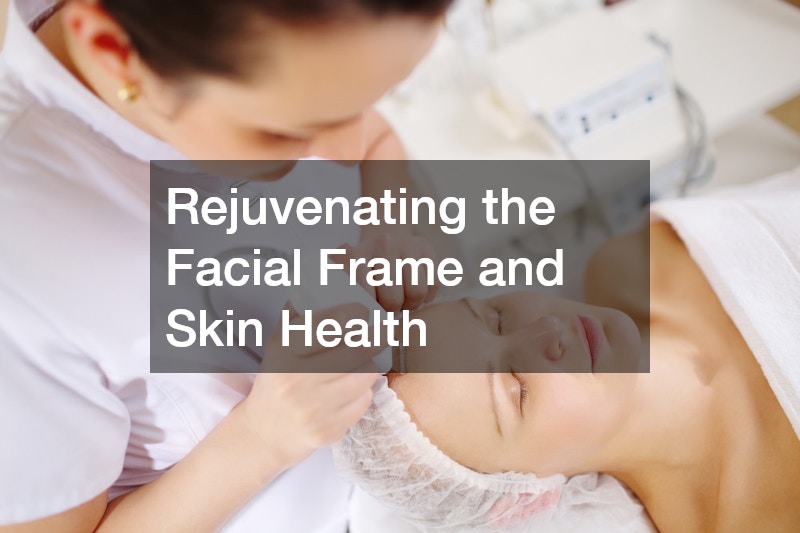
The final step in a total restoration is addressing the external skin and soft tissues that frame your new smile. Scarring, volume loss, or skin dullness can often follow a period of intense medical treatment. Aesthetic treatments can help smooth out the remnants of trauma and provide the finishing touches to your physical transformation, helping you feel like yourself again. This is where the artistry of recovery meets the science of medicine.
- Use medical-grade skincare to improve the texture and elasticity of your facial skin.
- Consider gentle laser treatments to minimize the appearance of surgical or accidental scars.
- Consult with aesthetic specialists about restoring lost facial volume.
Visiting local med spas can provide access to treatments like fillers or facial rejuvenation that complement your dental reconstruction. These services allow you to feel as good as you look, completing the journey from a trauma victim to a person who radiates health and self-assurance. Addressing these final details can significantly boost your psychological recovery and help you fully close the chapter on your injury.
The journey toward full restoration after a personal injury is challenging but achievable with the right support. By integrating legal protection, medical technology, and wellness practices, you can rebuild your health and confidence. Every step, from legal consultations to aesthetic touch-ups, proves your resilience.
Building an expert team allows you to share the burden of recovery, making certain your transition is smooth. A coordinated approach ensures no detail is overlooked, allowing you to regain your smile and the joy of living without pain. Healing takes time, but you do not have to navigate it alone. With dedicated professionals, you can move past trauma and step into a bright, healthy future with a smile that reflects your inner strength.